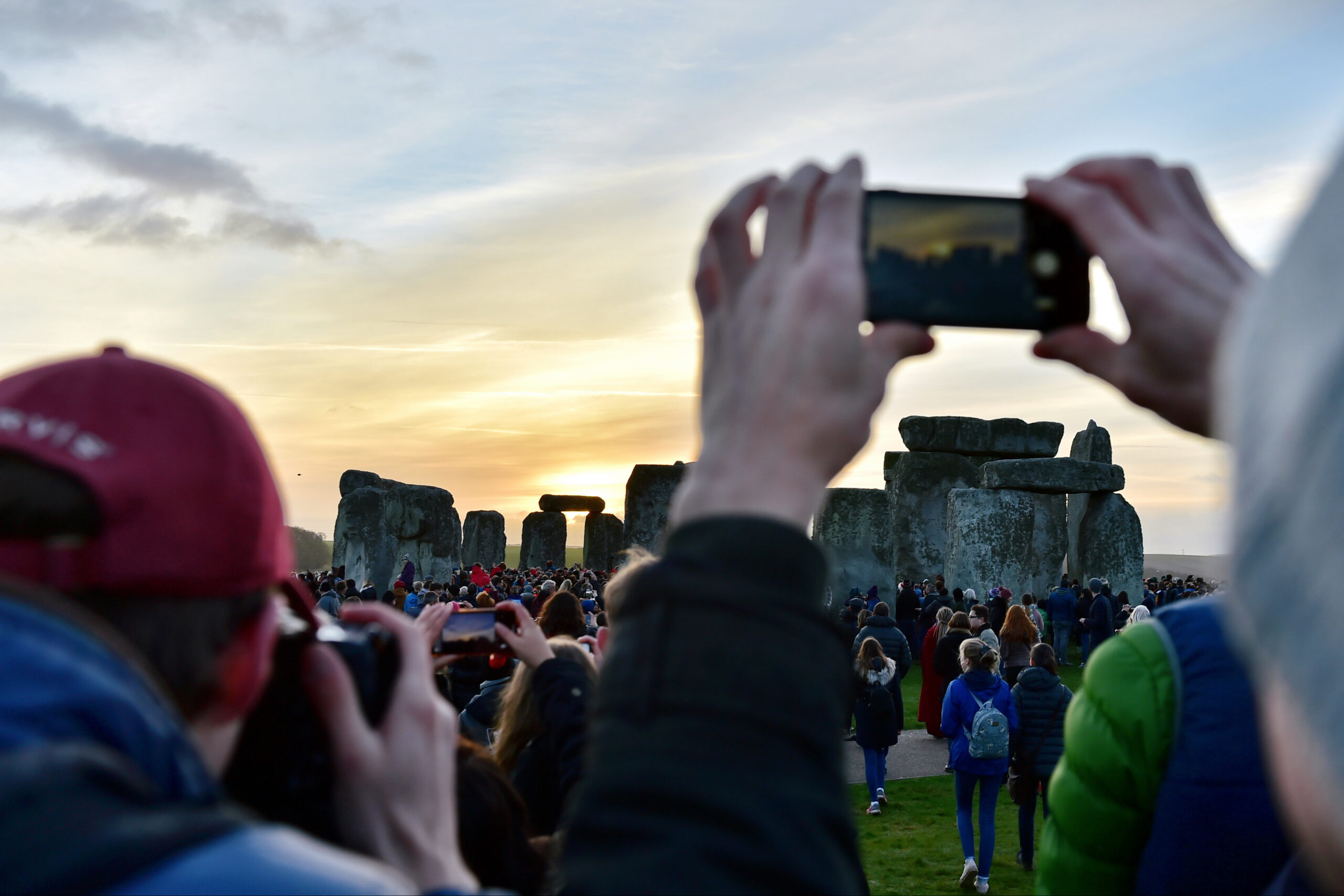
The Summer and Winter Solstices at Stonehenge are among the most significant and atmospheric events in the UK. Each year, thousands gather to witness the sunrise or sunset aligned with the ancient stones, a tradition that connects modern visitors with prehistoric rituals dating back over 4,000 years.
Attending the Solstice is a unique opportunity to experience history, culture, and community in one unforgettable event.
What is the Solstice at Stonehenge?
The solstice marks the longest day (summer) and shortest day (winter) of the year. Stonehenge was carefully constructed to align with these solar events:
- Summer Solstice (June): The sun rises behind the Heel Stone, casting light into the center of the monument.
- Winter Solstice (December): The sun sets in alignment with the central axis of the stones.
These alignments suggest the site had ceremonial or spiritual significance for ancient communities.
Event Atmosphere
The solstice celebrations are open, inclusive gatherings attracting a diverse crowd:
- Spiritual groups (including Druids and Pagans)
- Tourists and photographers
- Families and local visitors
Expect:
- Live drumming and music
- Quiet moments of reflection
- A festival-like but respectful atmosphere
For more details please see the English Heritage website near to event dates: https://www.english-heritage.org.uk/visit/places/stonehenge/things-to-do/solstice/Winter-Solstice-2025